
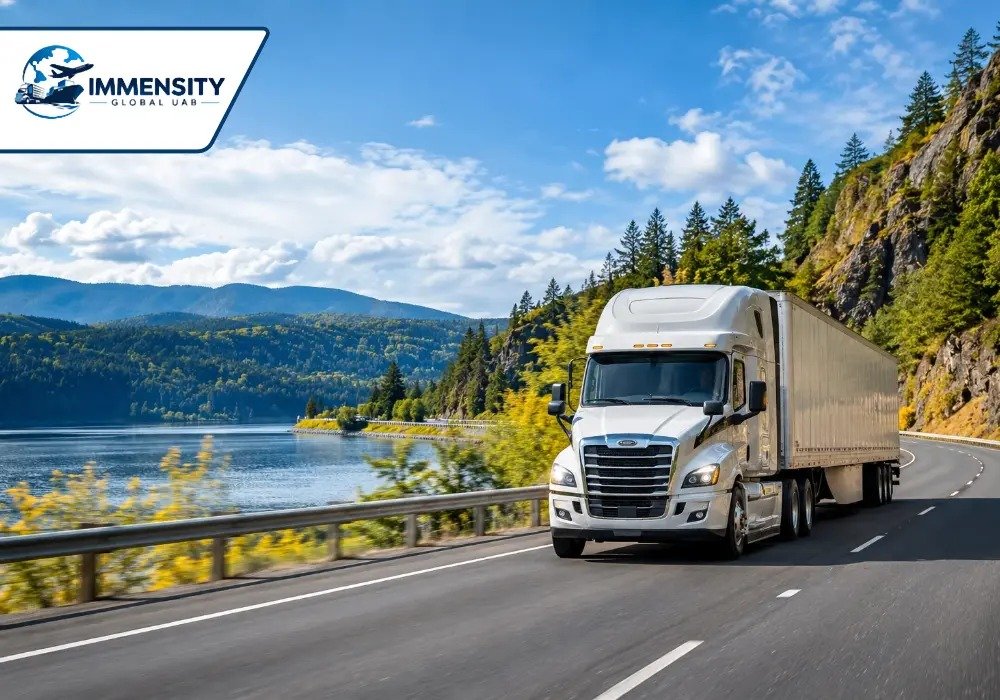
European trade depends on efficient transportation networks. Manufacturers, importers, exporters, and distributors need suitable solutions to move goods between countries. Road transportation plays an important role in connecting European markets and supporting international supply chains.
Road Freight Shipping Services help businesses transport commercial goods across domestic and international routes. They provide flexible options for different cargo types, shipment sizes, and delivery requirements. Moreover, road freight connects factories, warehouses, distribution centres, ports, and customers.
As European trade continues to grow, businesses need effective freight planning and supply chain coordination. Choosing the right logistics partner can help companies manage transportation costs, reduce delays, and improve cargo handling.
What Are Road Freight Shipping Services?
Road Freight Shipping Services involve transporting commercial goods using trucks, trailers, and other road vehicles. Businesses use these services to move products between cities, countries, warehouses, and distribution centres.
These transportation solutions support several industries, including:
-
Automotive parts and manufacturing equipment.
-
Furniture and household products.
-
Food and beverage products.
-
Retail goods and e-commerce shipments.
-
Construction materials and industrial supplies.
-
Machinery and heavy equipment.
-
Packaged and temperature-sensitive products.
Road transportation offers flexibility because trucks can collect goods directly from factories and warehouses. They can also deliver shipments to their final destinations.
Additionally, businesses can combine road transportation with air, sea, and rail freight. This approach creates flexible shipping arrangements for domestic and international supply chains.
How Do Road Freight Transport Services Work?
Road freight transport services involve several coordinated activities. Each stage helps businesses organise shipments and manage transportation requirements.
1. Shipment Planning and Collection
The process begins with shipment details. Businesses provide cargo weight, dimensions, quantity, collection points, and delivery locations.
The logistics provider reviews these requirements and identifies suitable transportation arrangements. After planning, the assigned carrier collects the goods from the agreed location.
2. Selecting the Right Transportation Option
Different shipments require different vehicles and loading arrangements. Common road freight options include:
-
Full Truckload (FTL): One shipment uses dedicated truck capacity.
-
Less Than Truckload (LTL): Multiple shipments share available vehicle space.
-
Groupage Transport: Smaller consignments are combined with compatible shipments.
-
Refrigerated Transport: Temperature-controlled vehicles carry sensitive products.
-
Specialised Transport: Suitable vehicles move oversized, heavy, or unusual cargo.
The right option depends on shipment size, cargo characteristics, budget, and delivery requirements.
3. Documentation and Route Coordination
International road shipments require appropriate transportation documentation. This may include commercial invoices, packing lists, and CMR consignment notes where applicable.
Furthermore, logistics teams coordinate routes and consider border requirements, road restrictions, and potential delays.
4. Transportation and Final Delivery
Once the shipment is ready, the carrier transports the goods towards their destination. Regular communication helps businesses understand shipment progress and manage delivery arrangements.
Finally, the receiving party checks the shipment and completes the delivery process.
Why Are Road Freight Logistics Services Important for European Businesses?
Road freight logistics services help companies move goods between European markets. They support domestic distribution, international trade, and connections between different supply chain partners.
Here are some important benefits.
Flexible Domestic and International Transportation
European businesses frequently transport goods between Germany, Belgium, France, Poland, Lithuania, the Netherlands, Italy, and Spain.
Road transportation provides access to industrial regions, commercial centres, and distribution hubs. Therefore, businesses can organise shipments according to their operational requirements.
Suitable Options for Different Shipment Sizes
Not every business needs an entire truck for its cargo.
LTL and groupage transportation allow companies to share vehicle capacity. These options can suit smaller shipments and businesses with regular but limited freight volumes.
Meanwhile, FTL transportation provides dedicated capacity for larger consignments.
Improved Supply Chain Coordination
Effective freight planning helps businesses coordinate collections, deliveries, warehouses, and distribution activities.
For example, an automotive manufacturer may receive components from suppliers in several European countries. Coordinated transportation helps keep materials moving towards production facilities.
Support for Multiple Industries
Road freight supports several European industries.
-
Automotive: Transportation of vehicle parts and components.
-
Manufacturing: Movement of raw materials and finished products.
-
Retail: Distribution of consumer goods to stores and warehouses.
-
Food and Beverage: Transportation of packaged and temperature-sensitive products.
-
Construction: Movement of building materials and industrial equipment.
-
E-commerce: Distribution of products between fulfilment centres and customers.
As a result, companies across different sectors can use road freight to support their transportation requirements.
What Should Businesses Consider When Choosing a Transportation Company in Europe?
Selecting a transportation company in Europe requires careful evaluation. Businesses should consider more than transportation prices when choosing a logistics partner.
1. European Route Knowledge
Choose a logistics provider that understands transportation requirements across your target markets.
For example, shipments moving between Germany and Poland may involve different planning considerations from freight travelling between France and Spain.
Knowledge of routes, road restrictions, and border procedures supports better transportation planning.
2. Cargo Handling Requirements
Every shipment has different handling needs. Fragile products, heavy machinery, refrigerated goods, and industrial materials may require specific loading and transportation arrangements.
Therefore, businesses should explain their cargo requirements before confirming a shipment.
3. Shipment Size and Vehicle Capacity
Consider whether your business needs FTL, LTL, groupage, or specialised transportation.
The correct option depends on cargo volume, weight, dimensions, and delivery expectations.
4. Documentation and Compliance
International freight movements require accurate documentation and compliance with applicable regulations.
Businesses should understand relevant customs procedures, transit requirements, and transport documentation before arranging international shipments.
5. Communication and Shipment Visibility
Clear communication helps businesses manage their supply chains more effectively.
Look for a logistics partner that provides shipment updates, coordinates with transport providers, and communicates potential delivery issues.
Common Road Freight Challenges in Europe and Their Solutions
Although road transportation offers flexibility, businesses may face several operational challenges. Understanding these issues helps companies prepare better shipping strategies.
Traffic Congestion and Delivery Delays
Busy motorways, urban traffic, roadworks, and seasonal demand can affect delivery schedules.
Practical solution: Plan routes carefully and allow sufficient time for unexpected disruptions. Regular communication with transport partners also helps businesses adjust delivery arrangements.
Changing Fuel and Transportation Costs
Fuel prices, toll charges, and operating expenses can influence freight rates.
Practical solution: Compare suitable transportation options and evaluate shipment consolidation. Combining smaller consignments through LTL or groupage may help manage transportation costs.
Cross-Border Documentation
International shipments may require customs declarations, commercial invoices, and supporting documents.
Practical solution: Prepare documentation before collection. Businesses should also check applicable import, export, and transit requirements for each shipment.
Limited Truck Availability
Seasonal demand and changing market conditions can affect vehicle availability.
Practical solution: Plan regular shipments in advance and communicate expected cargo volumes to logistics partners.
Cargo Safety and Handling
Incorrect loading, unsuitable packaging, and poor handling can increase the risk of cargo damage.
Practical solution: Use appropriate packaging, secure loading arrangements, and suitable vehicles. Businesses should also discuss cargo insurance requirements before transportation begins.
How Does Immensity Global Support European Freight Requirements?
Businesses operating across multiple European markets need coordinated logistics arrangements. Immensity Global helps businesses organise transportation requirements through suitable freight and logistics solutions.
Our approach focuses on understanding shipment requirements and coordinating appropriate transportation arrangements.
Road Freight Coordination
We help businesses organise road freight movements according to shipment size, cargo type, collection points, and delivery requirements.
Whether a company needs FTL, LTL, or groupage transportation, selecting an appropriate arrangement is important for effective freight management.
International Freight Solutions
European businesses often work with suppliers and customers in international markets.
We help coordinate logistics requirements involving different transportation methods. These may include road, air, and sea freight, depending on shipment requirements.
Sea and Air Freight Connections
Road transportation can support larger international supply chains by connecting warehouses, ports, and airports.
Our sea freight services and air freight services provide additional options for businesses with different shipping requirements.
Warehousing and Distribution Support
Storage and distribution planning can influence the efficiency of the entire supply chain.
Businesses can also explore our warehousing services when they need logistics support beyond transportation.
As a European logistics company, Immensity Global understands the importance of coordinated freight planning, clear communication, and suitable transport arrangements.
Our aim is to help businesses explore practical logistics solutions that support their operational requirements.
How Are Global Logistics Services Shaping the Future of European Road Freight?
The European logistics industry continues to evolve. Technology, environmental priorities, and changing customer expectations are influencing transportation operations.
Several developments are shaping the future of road freight.
Digital Freight Management
Digital platforms help logistics companies manage shipment information, transport documentation, and communication.
Businesses increasingly value better shipment visibility and faster access to transportation updates.
Sustainable Transportation
Environmental considerations are becoming more important in European supply chains.
Companies are exploring alternative fuels, electric trucks, improved vehicle efficiency, and better route planning to reduce transportation-related emissions.
Multimodal Logistics
Combining road, rail, sea, and air transportation can help businesses create flexible shipping arrangements.
For example, road freight can connect a warehouse with a railway terminal or seaport. This approach allows companies to select transportation methods according to distance, cargo requirements, and delivery priorities.
Growing Demand for International Distribution
E-commerce and international trade continue to influence distribution requirements.
Businesses need flexible freight arrangements that connect suppliers, warehouses, fulfilment centres, and customers.
Therefore, global logistics companies increasingly focus on transportation coordination, shipment visibility, and efficient distribution planning.
Conclusion: Choose the Right Road Freight Shipping Services for Your Business
Efficient transportation is essential for businesses involved in European trade. From manufacturing materials to finished retail products, road freight connects suppliers, warehouses, distribution centres, and customers.
Choosing suitable logistics company in Europe can improve transportation planning, support cargo safety, and help businesses manage their supply chains.
However, the right logistics arrangement depends on shipment size, cargo requirements, destination, and delivery expectations.
At Immensity Global, we help businesses coordinate freight requirements through suitable logistics solutions. Whether you need road transportation or additional international freight support, our team can help you explore appropriate arrangements.
Looking for professional freight support across Europe? Visit Immensity Global to discuss your transportation and logistics requirements.