
Introduction
International shipping plays an important role in European trade. Businesses import raw materials, machinery, electronics, furniture, textiles, and consumer products from global markets. Therefore, they need efficient transportation solutions to move goods across international borders.
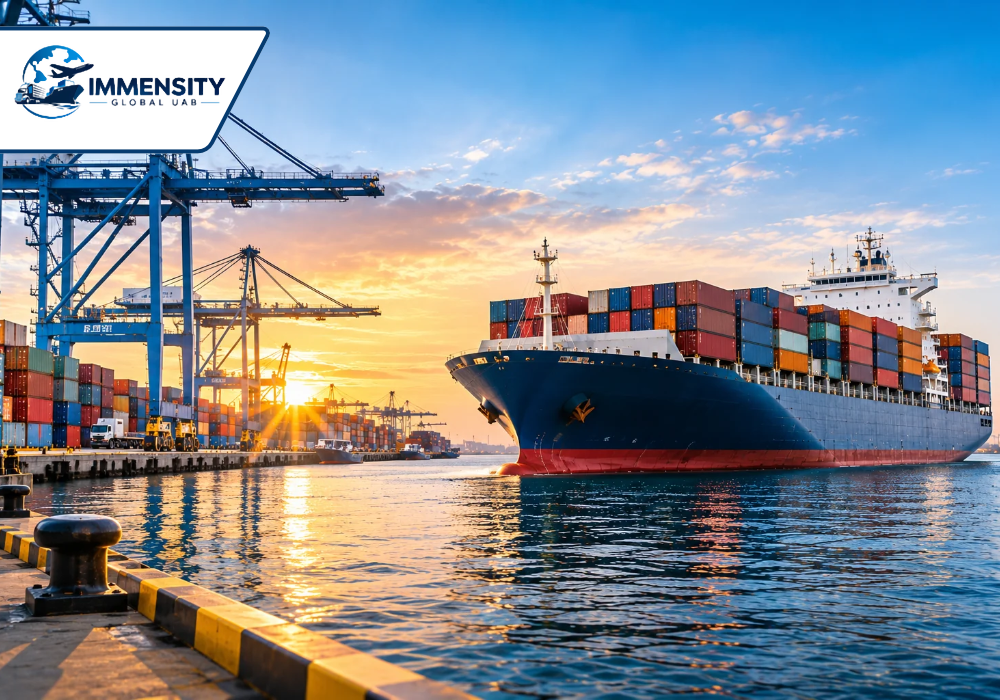
Ocean Freight Forwarding Services help businesses organise international cargo transportation through established sea routes. These services support companies that need to move large shipments while managing transportation costs, documentation, and delivery schedules.
For European importers and exporters, sea transportation provides access to major international markets. By working with experienced logistics partners, businesses can improve shipment planning and manage their supply chain requirements.
At Immensity Global, we understand the importance of organised freight transportation. We focus on helping businesses coordinate suitable international shipping and logistics arrangements.
What Are Ocean Freight Forwarding Services?
Ocean freight forwarding involves coordinating the transportation of commercial goods through international sea routes. Freight forwarders help businesses manage different stages of shipping, from cargo collection to destination delivery.
Professional ocean freight forwarding services generally include:
-
Cargo collection and transportation.
-
Container booking and shipment planning.
-
Export and import documentation.
-
Customs clearance coordination.
-
Port handling and cargo management.
-
Final delivery arrangements.
These services help businesses organise international shipments more efficiently. Additionally, companies can select suitable transportation arrangements based on cargo volume, budget, and delivery requirements.
How Do Sea Freight Shipping Services Work?
Sea freight shipping services involve several stages that require proper planning and coordination. Each stage plays an important role in ensuring smooth cargo movement.
1. Shipment Planning
First, businesses provide cargo details, including weight, dimensions, product type, collection location, and destination.
The freight forwarder evaluates these requirements and identifies suitable shipping arrangements.
2. Container Selection
Businesses can select different container options depending on their shipment size.
-
Full Container Load (FCL): One customer uses an entire shipping container.
-
Less than Container Load (LCL): Multiple customers share container space.
FCL suits larger shipments, while LCL provides a practical option for smaller cargo volumes.
3. Documentation and Customs Coordination
International shipping requires accurate documentation. Common documents include commercial invoices, packing lists, bills of lading, and customs declarations.
Furthermore, businesses must follow the applicable import and export regulations. Accurate paperwork helps reduce administrative issues and supports smoother customs procedures.
4. International Sea Transportation
After completing the necessary arrangements, the cargo moves to the departure port. The shipping carrier then transports the goods to the destination port.
Shipping schedules depend on the selected route, vessel availability, port conditions, and other operational factors.
5. Destination Handling and Delivery
Once the cargo reaches its destination, the relevant parties coordinate import procedures and cargo release.
After customs clearance, businesses can arrange transportation to warehouses, distribution centres, or final delivery locations.
Key Benefits of Global Sea Freight Services for European Businesses
Global sea freight services provide businesses with access to international shipping networks. They also support companies that regularly transport large quantities of commercial goods.
1. Cost-Effective Transportation
Sea freight often offers competitive transportation costs for high-volume shipments. Businesses can transport large quantities of products without depending entirely on more expensive shipping methods.
Therefore, it can be a suitable option for companies importing machinery, furniture, industrial equipment, and raw materials.
2. Suitable for Different Cargo Types
Ocean transportation supports various commercial shipping requirements, including:
-
Industrial machinery and equipment.
-
Furniture and wooden products.
-
Automotive parts.
-
Electronics and consumer goods.
-
Textiles and clothing.
-
Packaged commercial products.
However, certain products may require specialised containers, temperature control, or additional handling arrangements.
3. Access to International Markets
European businesses frequently source products from international suppliers. Sea freight helps connect companies with manufacturing and distribution markets worldwide.
As a result, businesses can organise international shipments and support their import and export operations.
4. Flexible Container Options
FCL and LCL arrangements give businesses greater flexibility when planning shipments. Smaller companies can use shared container space, while larger importers can book dedicated containers.
5. Improved Supply Chain Planning
Organised freight transportation helps businesses plan inventory, warehouse operations, and product distribution.
Moreover, suitable shipping arrangements can help companies manage transportation expenses and maintain better supply chain coordination.
How to Choose the Right Sea Freight Forwarding Companies
Selecting suitable sea freight forwarding companies is important for businesses involved in international trade. The right logistics partner can help coordinate shipping requirements and manage different transportation stages.
Consider these factors before selecting a freight forwarding partner.
1. International Shipping Experience
Look for a company that understands international shipping procedures, cargo requirements, and customs documentation.
2. Communication and Shipment Updates
Regular communication helps businesses understand shipment progress and prepare for expected cargo arrivals.
3. Customs Documentation Support
Different countries have specific import and export requirements. Therefore, businesses should consider partners that can coordinate relevant shipping documentation and customs procedures.
4. Flexible Transportation Solutions
Every shipment has different requirements. A suitable logistics partner should help businesses evaluate container options, cargo handling, and onward transportation arrangements.
5. Transparent Pricing
Always review the complete shipping cost. Consider freight charges, port handling, documentation, storage, and other applicable expenses.
Why Choose an Experienced Logistics Company in Europe?
Working with an experienced logistics company in Europe can help businesses coordinate transportation across different markets.
European businesses often manage shipments between multiple countries. Consequently, they need suitable freight arrangements, effective communication, and proper documentation.
A professional logistics partner can help coordinate:
-
International freight transportation.
-
Cross-border road freight arrangements.
-
Sea and air cargo movements.
-
Warehousing and distribution requirements.
-
Shipment documentation and coordination.
Additionally, businesses working with established global logistics companies can benefit from access to international freight networks and different transportation options.
However, companies should evaluate service suitability, communication, pricing, and operational experience before selecting a logistics partner.
How Immensity Global Supports International Shipping Requirements
Choosing the right logistics partner can make international freight coordination easier. Businesses need suitable shipping arrangements, accurate documentation, and effective transportation planning.
At Immensity Global, we understand that every business has different cargo and delivery requirements. Our approach focuses on coordinating suitable logistics arrangements based on shipment details, transportation routes, and destination requirements.
As an international logistics company, we recognise the importance of connecting businesses with appropriate freight transportation solutions.
We also understand the changing requirements of European supply chains. Therefore, our logistics approach considers different transportation methods, including sea freight, road freight, air freight, and warehousing.
As a European logistics company, Immensity Global aims to support businesses with organised freight coordination and international transportation requirements.
Explore our logistics services to learn more about our solutions.
Future Trends in the European Ocean Freight Industry
The ocean freight industry continues to evolve as international trade and supply chain requirements change.
Digital Shipping and Cargo Visibility
Digital technologies are improving shipment tracking, documentation management, and communication. These developments help businesses access shipment information and make informed transportation decisions.
Sustainable Maritime Transportation
Shipping companies are exploring alternative fuels, energy-efficient vessels, and improved operational practices to reduce environmental impact.
European sustainability initiatives are also encouraging businesses to consider environmental factors when planning international transportation.
Greater Supply Chain Flexibility
Businesses increasingly need flexible logistics arrangements. Combining sea freight with road, rail, and air transportation can help companies respond to changing delivery requirements.
Improved Freight Planning
Digital tools and data-driven planning help businesses evaluate shipping routes, transportation costs, and inventory requirements.
Frequently Asked Questions
1. What are Ocean Freight Forwarding Services?
Ocean Freight Forwarding Services involve coordinating the international transportation of goods by sea. These services include container booking, shipment planning, documentation, customs coordination, port handling, and final delivery arrangements.
2. Are sea freight shipping services suitable for small businesses?
Yes. Small businesses can use Less than Container Load (LCL) shipping to transport smaller quantities of cargo. This option allows multiple customers to share container space instead of booking an entire container.
3. What is the difference between FCL and LCL shipping?
FCL means one customer books an entire shipping container. LCL allows multiple customers to share container space. FCL generally suits larger shipments, while LCL provides flexibility for smaller cargo volumes.
4. How can businesses select the right sea freight forwarding company?
Businesses should evaluate international shipping experience, documentation support, communication, pricing transparency, and transportation options. They should also consider whether the logistics partner understands their cargo and destination requirements.
5. Why should European businesses use global sea freight services?
Global sea freight services help European businesses transport commercial goods between international markets. They support the movement of raw materials, machinery, furniture, electronics, and other products through established maritime shipping routes.
6. What documents are required for international ocean freight?
Common documents include commercial invoices, packing lists, bills of lading, and customs declarations. Depending on the cargo and destination, additional certificates or permits may also apply.
7. How does an international logistics company support businesses?
An international logistics company helps coordinate freight transportation, shipping documentation, customs arrangements, and cargo movements. These services support businesses managing imports, exports, and international supply chain operations.
Conclusion
International shipping requires proper coordination, accurate documentation, and suitable transportation planning. Ocean Freight Forwarding Services help European businesses move commercial goods across international markets while managing different shipping requirements.
From FCL and LCL shipments to customs coordination and onward transportation, suitable freight arrangements can support efficient supply chain operations.
At Immensity Global, we understand the importance of organised international freight transportation. We aim to help businesses coordinate logistics solutions that meet their shipping requirements.
Planning your next international shipment? Visit Immensity Global to explore logistics solutions for your business.