
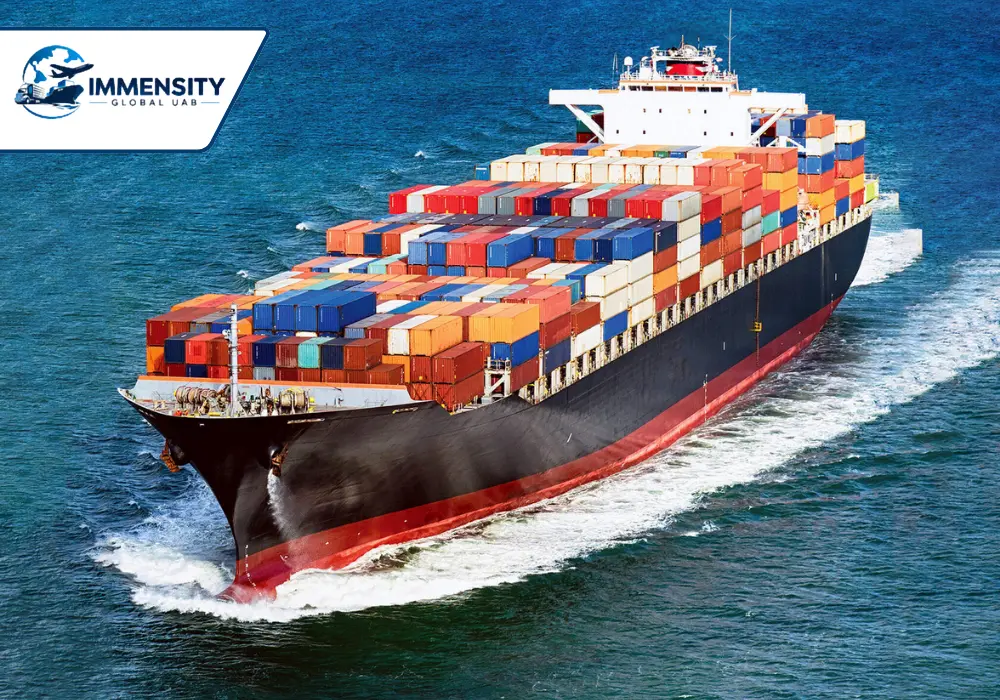
What Are Sea Freight Shipping Services?
Sea freight shipping services transport goods between ports using cargo ships. Businesses use these services to move products internationally, including machinery, furniture, raw materials, electronics, and packaged goods.
Unlike air freight, ocean transport can accommodate large cargo volumes at comparatively low shipping costs per unit. However, delivery usually takes longer, and shipments require careful planning.
Sea freight typically involves several stages:
-
Collecting cargo from the supplier or warehouse.
-
Preparing shipping documents and arranging container space.
-
Transporting goods to the departure port.
-
Loading cargo onto a vessel and transporting it overseas.
-
Completing customs procedures at the destination.
-
Delivering cargo to the final destination by road or another transport mode.
Businesses can choose full container load (FCL) or less than container load (LCL) shipping, depending on their cargo volume and budget.
For companies managing international supply chains, global sea freight services provide access to overseas suppliers and customers. By combining sea freight with road transport, warehousing, and customs support, businesses can manage their global logistics services more efficiently and coordinate shipments across international markets.
What Are the Main Benefits of Sea Freight Shipping Services?
Sea freight offers several benefits, including lower unit costs for suitable shipments, high cargo capacity, flexible container options, and access to international markets.
1. Cost-Effective Transportation
Sea freight often costs less than air freight for large or heavy shipments. Businesses can transport substantial cargo volumes without paying the higher rates commonly associated with urgent air delivery.
This option can help importers manage transportation budgets, particularly when they ship regularly or plan orders in advance. However, the final cost depends on the route, cargo type, container size, fuel charges, and additional services.
2. High Cargo Capacity
Cargo vessels can carry large quantities of goods in containers or specialised cargo spaces. Therefore, sea transport suits businesses shipping machinery, construction materials, furniture, industrial equipment, and other bulky products.
High capacity also helps businesses consolidate orders and move substantial volumes in fewer shipments. The right arrangement depends on cargo dimensions, weight, handling needs, and shipping regulations.
3. Flexible Shipping Options
Sea freight offers different container and cargo arrangements. Businesses can select an option based on shipment size and product requirements.
-
Full Container Load (FCL): One shipper uses an entire container for their cargo.
-
Less Than Container Load (LCL): Several shipments share container space.
-
Specialised cargo services: Certain goods require refrigerated containers, open-top containers, or other suitable equipment.
These options help businesses select an arrangement that matches their cargo volume and handling requirements.
4. Access to Global Markets
Ocean shipping connects major ports across Europe, Asia, North America, and other regions. This network supports international purchasing, exports, and long-distance distribution.
Businesses can use ocean freight forwarding services to coordinate cargo movement, documentation, carrier arrangements, and related logistics tasks. The specific services available depend on the provider and shipment requirements.
5. Support for Integrated Logistics
Sea freight rarely operates alone. Many shipments need road transportation, port handling, customs clearance, or temporary storage before reaching their final destination.
Working with a logistics company in Europe that coordinates several transport stages can help businesses organise these activities. It can also improve communication between suppliers, carriers, ports, and delivery teams.
How Much Do Sea Freight Shipping Services Cost?
Sea freight costs depend on the origin, destination, cargo volume, container type, shipping route, and additional handling requirements. There is no single rate that applies to every shipment, so businesses should request a quotation based on their specific needs.
The main cost components include:
-
Ocean freight charges: The carrier’s charge for transporting cargo by sea.
-
Container and consolidation fees: Charges for using a full container or sharing container space.
-
Port handling charges: Fees for loading, unloading, and processing cargo at ports.
-
Customs and documentation: Costs associated with customs clearance, declarations, and shipping documents.
-
Inland transportation: Charges for moving goods between warehouses, ports, and delivery locations.
-
Cargo insurance: The premium for cover selected to protect against specified shipment risks.
-
Additional charges: Storage, demurrage, detention, inspections, and other fees where applicable.
For European shipments, applicable environmental regulations and carrier surcharges may also affect the final price. UNCTAD’s Review of Maritime Transport 2025 identifies route disruptions, geopolitical tensions, and changing operating costs as important factors behind freight-rate volatility.
Businesses should compare quotations carefully. A lower ocean freight rate may not represent the lowest total cost if port fees, inland transport, or destination charges are excluded.
What Is the Difference Between FCL and LCL Shipping?
FCL and LCL shipping differ in how businesses use container space. FCL suits shipments that can justify a dedicated container, while LCL allows smaller shipments to share space with cargo from other businesses.
| Comparison factor | FCL shipping | LCL shipping |
|---|---|---|
| Container space | Dedicated to one shipper’s cargo | Shared between multiple shipments |
| Best suited for | Larger shipments | Smaller shipments |
| Cost structure | Usually priced for the container | Usually based on volume or chargeable weight, subject to minimums |
| Cargo handling | Fewer consolidation steps | Additional consolidation and deconsolidation |
| Transit considerations | Depends on route and carrier schedule | May require extra time for consolidation |
| Main consideration | Container utilisation | Shared-space and handling charges |
The best option depends on shipment size, route, handling requirements, and delivery schedule. Businesses should compare the complete door-to-door cost rather than looking only at the ocean freight rate.
What Challenges Can Businesses Face With Sea Freight?
Sea freight can involve longer transit times, schedule changes, port congestion, customs delays, and fluctuating transport costs. Businesses can reduce avoidable problems through preparation, accurate documentation, and suitable contingency planning.
1. Longer Transit Times
Ships generally take longer than aircraft to transport cargo over long distances. In addition, port handling, vessel schedules, and connecting transport can extend the overall delivery period.
Businesses should plan orders around realistic transit estimates and allow time for customs clearance and final delivery. Urgent or time-sensitive shipments may require air freight or a combination of transport modes.
2. Route Disruptions and Geopolitical Risks
Conflicts, security concerns, and restrictions around important maritime routes can force vessels to change course. Longer routes may increase fuel consumption, operating costs, and delivery times.
UNCTAD reported that rerouting around the Cape of Good Hope during the Red Sea disruptions contributed to longer voyages and higher shipping costs. These changes also affected vessel availability and schedule reliability.
Businesses can prepare by discussing alternative routes, reviewing delivery deadlines, and maintaining regular communication with their freight forwarder.
3. Port Congestion and Delays
Busy ports can experience vessel queues, container backlogs, labour disruptions, or limited handling capacity. Such issues may delay cargo unloading and onward transportation.
A delay at one port can also affect connecting vessels, warehouse appointments, and customer deliveries. Businesses should allow reasonable schedule flexibility and confirm local handling arrangements before cargo arrives.
4. Customs and Documentation Problems
International shipments require accurate documentation and compliance with the rules that apply to the goods and destination. Missing or incorrect details can lead to inspections, additional charges, or clearance delays.
Common documents may include commercial invoices, packing lists, bills of lading, and customs declarations. Requirements vary by shipment, country, and product.
An experienced freight forwarding partner can help coordinate documentation. However, businesses should confirm their legal obligations and provide complete, accurate cargo information.
5. Cargo Damage and Other Risks
Cargo may face damage from moisture, poor packaging, improper handling, shifting during transit, or unsuitable temperature conditions. Theft and loss are also possible.
Businesses should use packaging suitable for the product, follow loading requirements, and select the correct container type. For temperature-sensitive products, refrigerated equipment and appropriate monitoring may be necessary.
Cargo insurance can provide protection against specified risks, subject to the policy’s terms, exclusions, limits, and conditions. Businesses should review coverage carefully rather than assuming every loss will be covered.
How Can Businesses Reduce Sea Freight Costs?
Businesses can manage sea freight expenses by planning shipments early, selecting suitable container arrangements, comparing complete quotations, and reducing avoidable storage and delay charges.
Consider these practical steps:
-
Plan shipments in advance. Early booking can provide more time to compare schedules and available carrier options.
-
Choose the right container. Compare FCL and LCL costs based on the actual shipment volume and total handling fees.
-
Consolidate suitable cargo. Combining compatible orders may reduce duplicated handling and transport costs.
-
Prepare accurate documents. Correct information can help prevent avoidable customs and administrative delays.
-
Check the full quotation. Confirm origin charges, ocean freight, destination fees, customs services, and final delivery costs.
-
Review delivery terms. Understand which party is responsible for freight, insurance, customs, and other charges under the agreed Incoterms.
-
Allow for route changes. Discuss contingency options for disruptions that could affect delivery schedules or costs.
A global logistics company can help compare transport options and coordinate the stages involved in moving cargo. Still, actual savings depend on shipment details, market conditions, and the service agreement.
How Do You Choose the Right Sea Freight Forwarding Company?
The right sea freight forwarding company should understand your cargo requirements, explain pricing clearly, coordinate documentation, and provide practical shipment updates.
Before selecting a provider, evaluate the following factors.
Experience with your cargo: Confirm that the provider can handle your product type, container requirements, and destination markets.
Transparent pricing: Ask for a written quotation that identifies included services and potential additional charges.
Shipment visibility: Check what tracking information and status updates the provider offers.
Customs coordination: Confirm whether documentation and customs support are included or arranged through separate providers.
Network and transport options: Look for suitable carrier connections and access to onward road transport, warehousing, or other required services.
Communication and support: Establish who will handle shipment questions, delays, and changes to the delivery plan.
A European logistics company that coordinates multiple transport stages may help reduce communication gaps between ports, warehouses, and final delivery locations.
How Can Immensity Global Support Sea Freight Shipments?
Immensity Global provides sea freight services for businesses transporting cargo through international shipping networks. Its published service information includes FCL and LCL shipping, global port coverage, customs clearance support, cargo handling, and ocean logistics coordination.
The company also lists road freight, air freight, warehousing, and drayage services. These services may be relevant when a shipment needs transport to or from a port, temporary storage, or a different transport mode.
As a transportation company in Europe, Immensity Global can discuss shipment requirements and help identify suitable options based on cargo size, origin, destination, and delivery schedule.
Before booking, businesses should provide accurate cargo dimensions, weight, product details, collection and delivery addresses, and preferred shipping dates. This information helps the logistics team assess the requirements and prepare a more appropriate quotation.
For further details, visit the Sea Freight Services page or the Services page.
Frequently Asked Questions
1. Are sea freight shipping services cheaper than air freight?
Sea freight is generally more economical for large, heavy, or non-urgent shipments. Air freight may be more suitable when delivery speed is essential. The best option depends on cargo size, destination, delivery deadlines, handling requirements, and the total cost of moving goods to their final destination.
2. How long does international sea freight take?
International sea freight can take several weeks, depending on the origin, destination, shipping route, and carrier schedule. Port congestion, customs inspections, and route disruptions may extend transit times. Businesses should confirm estimated departure and arrival dates and allow additional time for port handling and final delivery.
3. What is the difference between FCL and LCL shipping?
FCL shipping reserves an entire container for one shipper’s cargo, while LCL shipping combines smaller shipments from multiple businesses in one container. FCL may suit larger loads, whereas LCL can suit smaller shipments. Compare container utilisation, handling charges, consolidation time, and total delivery costs before choosing.
4. What costs should businesses include in a sea freight quotation?
A sea freight quotation may include ocean freight, container charges, port handling, documentation, customs services, and inland transportation. Storage, demurrage, detention, and cargo insurance may create additional costs. Businesses should check which services are included, who pays each charge, and whether destination fees are listed separately.
5. How can businesses choose a sea freight forwarding company in Europe?
Businesses should compare freight rates, shipping routes, cargo handling capabilities, documentation support, tracking options, and communication. They should also confirm how the provider manages delays and additional charges. A suitable logistics partner can coordinate transport stages according to cargo requirements, delivery schedules, and the business’s budget.
Conclusion: How Can You Find the Right Sea Freight Solution?
Sea freight shipping services help businesses transport large cargo volumes across international markets while managing transportation costs. However, successful shipping requires careful planning, accurate documentation, suitable container selection, and an understanding of potential delays and additional fees.
Choosing the right freight partner can help businesses coordinate ocean transport with customs procedures, port handling, warehousing, and onward delivery. An experienced international logistics company can also help assess available routes and shipping arrangements based on specific business requirements.
Immensity Global provides sea freight and related logistics services for businesses moving cargo across international markets. Visit the Immensity Global to learn more about its services.
Need help planning your next shipment? What are your cargo type, shipment origin, destination, and expected delivery date? Share these details with Immensity Global to request a tailored sea freight quotation.